

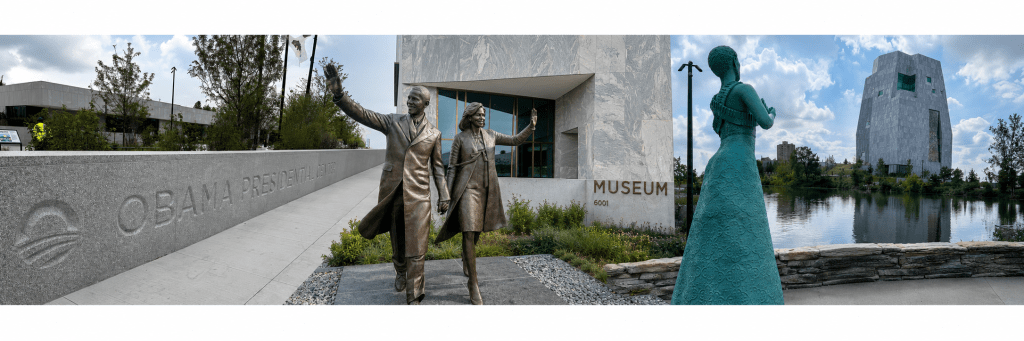
Months ago, I reserved a ticket to visit the Obama Presidential Center. I knew I would be in Chicago in July for a conference, and when I realized the Center would be open, I signed up to be reminded of when the tickets went on sale and was eagerly online when they did. I was very excited to be able to secure a spot, especially since I have learned that they have sold out of tickets six months in advance and currently there are no tickets available.
The morning finally came, and I got up early and took a train and a bus to get to the Center, and if you know me – I was early, of course.
As I walked around the immense Center grounds before entering, I found myself unexpectedly emotional. I hadn’t yet seen a single exhibit, but I was already fighting back tears. The reaction caught me completely off guard. I had come because visiting the Obama Presidential Center had been on my bucket list. I expected to enjoy the architecture, learn something new, and experience another presidential museum. I didn’t expect to find myself longing for a time when hope seemed easier to find.
For me, Barack Obama’s presidency represented hope, possibility, and the belief that our nation could become a more just and compassionate place. Standing outside those doors, I found myself grieving not just the passing of time, but how much I missed that feeling.
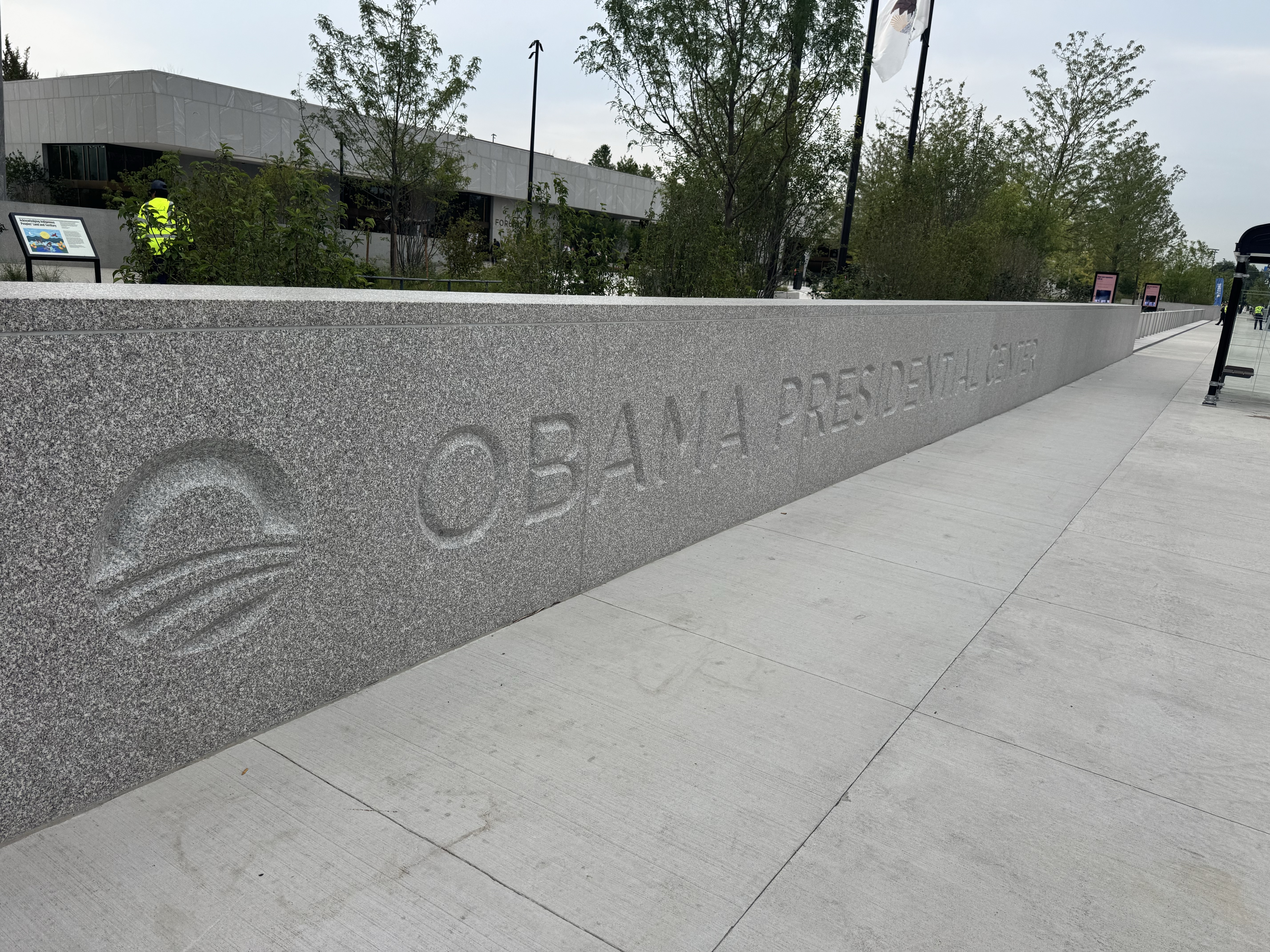
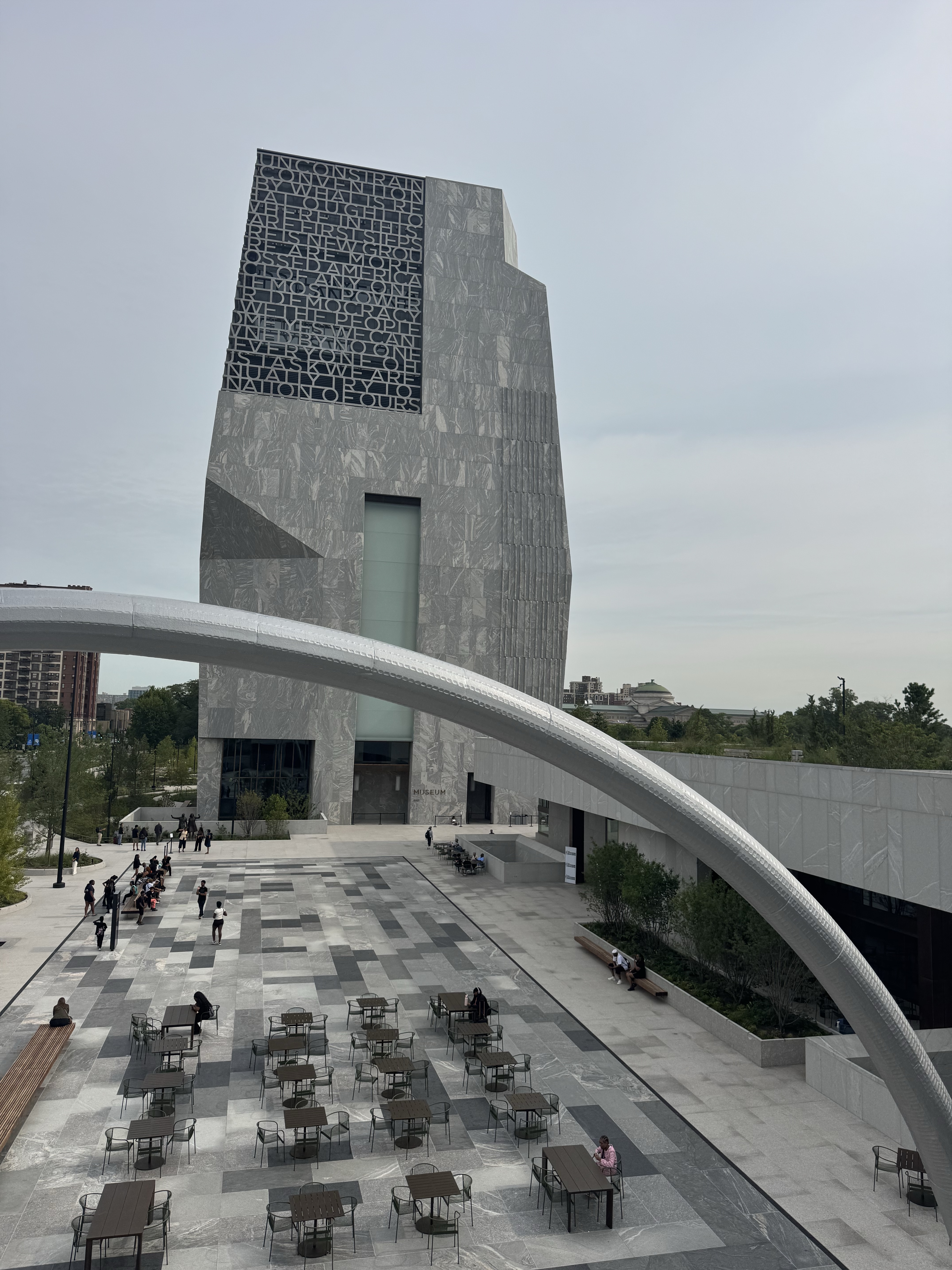
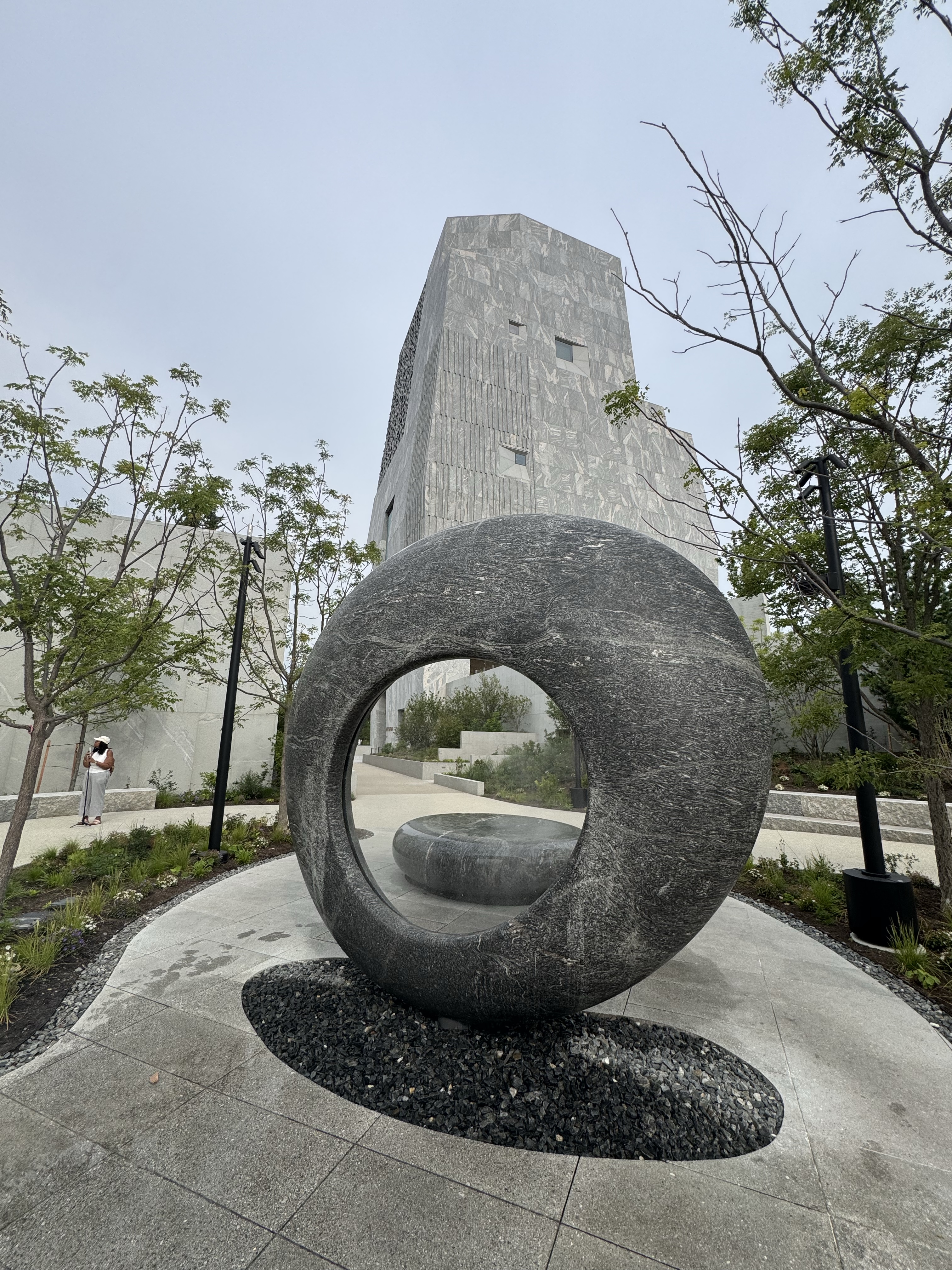
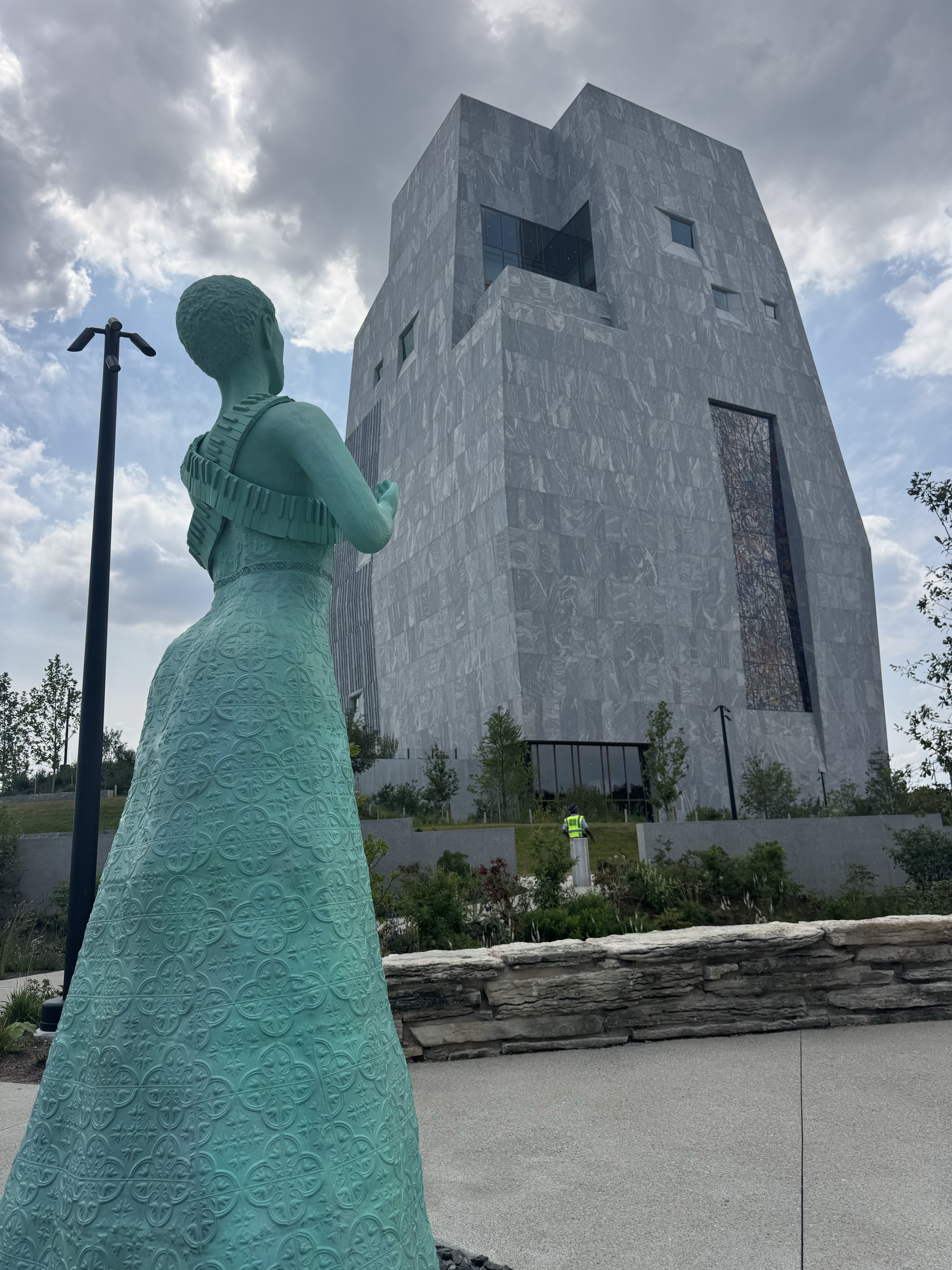
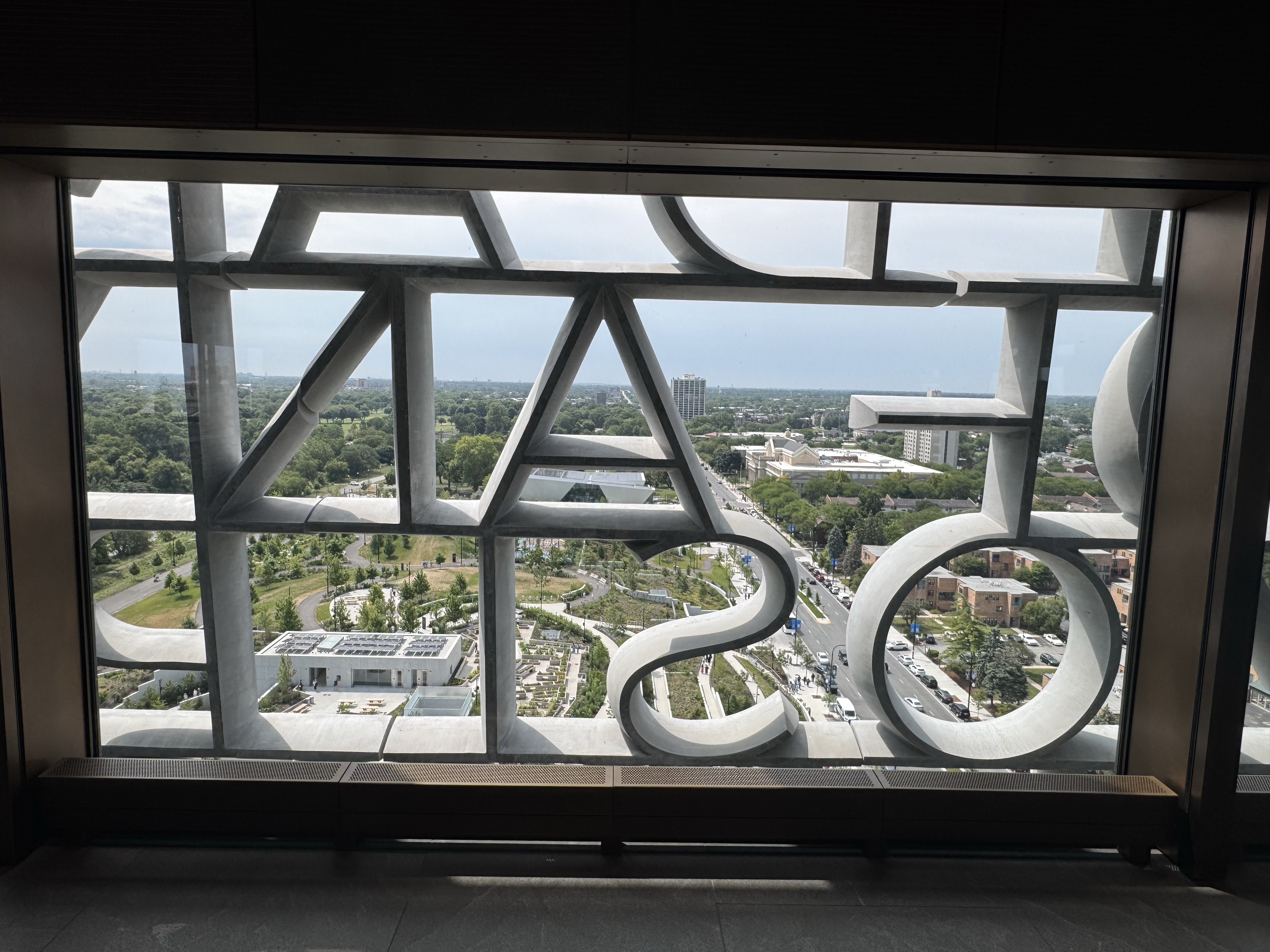
One of the first things that struck me was that the grounds themselves are open to everyone. You don’t need a museum ticket to enjoy them. Families can gather there. Neighbors can walk through them. Children can play. Before I ever entered the building, it became clear that this wasn’t intended to be a place that people simply visit. It was intended to become part of the community.
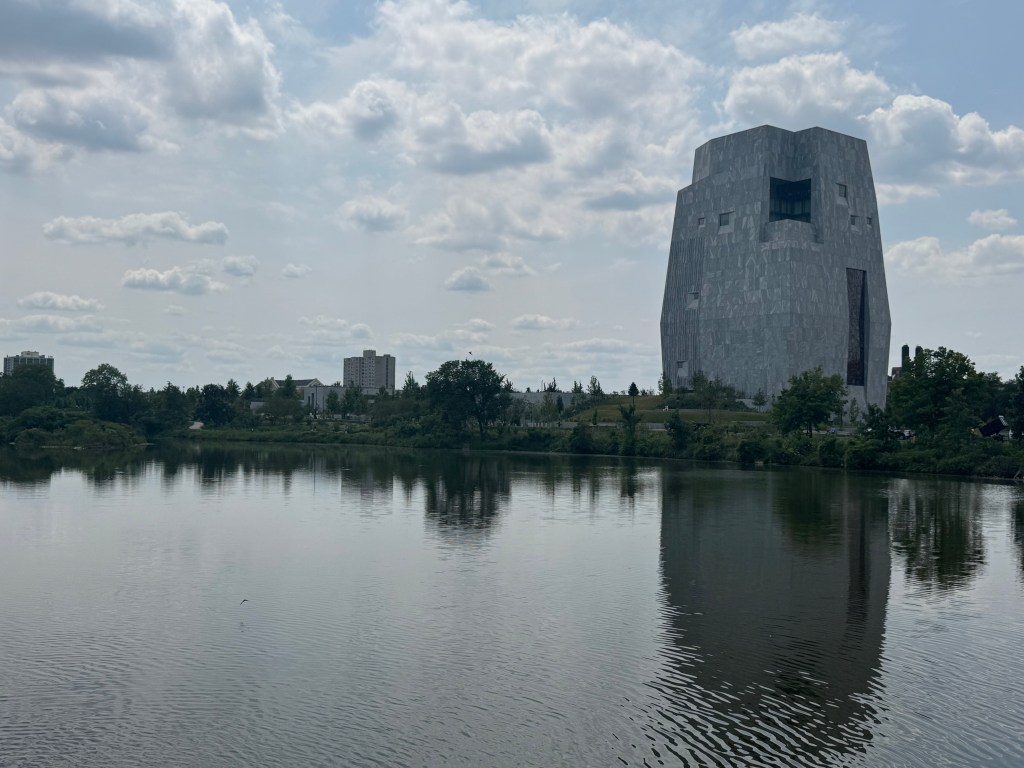
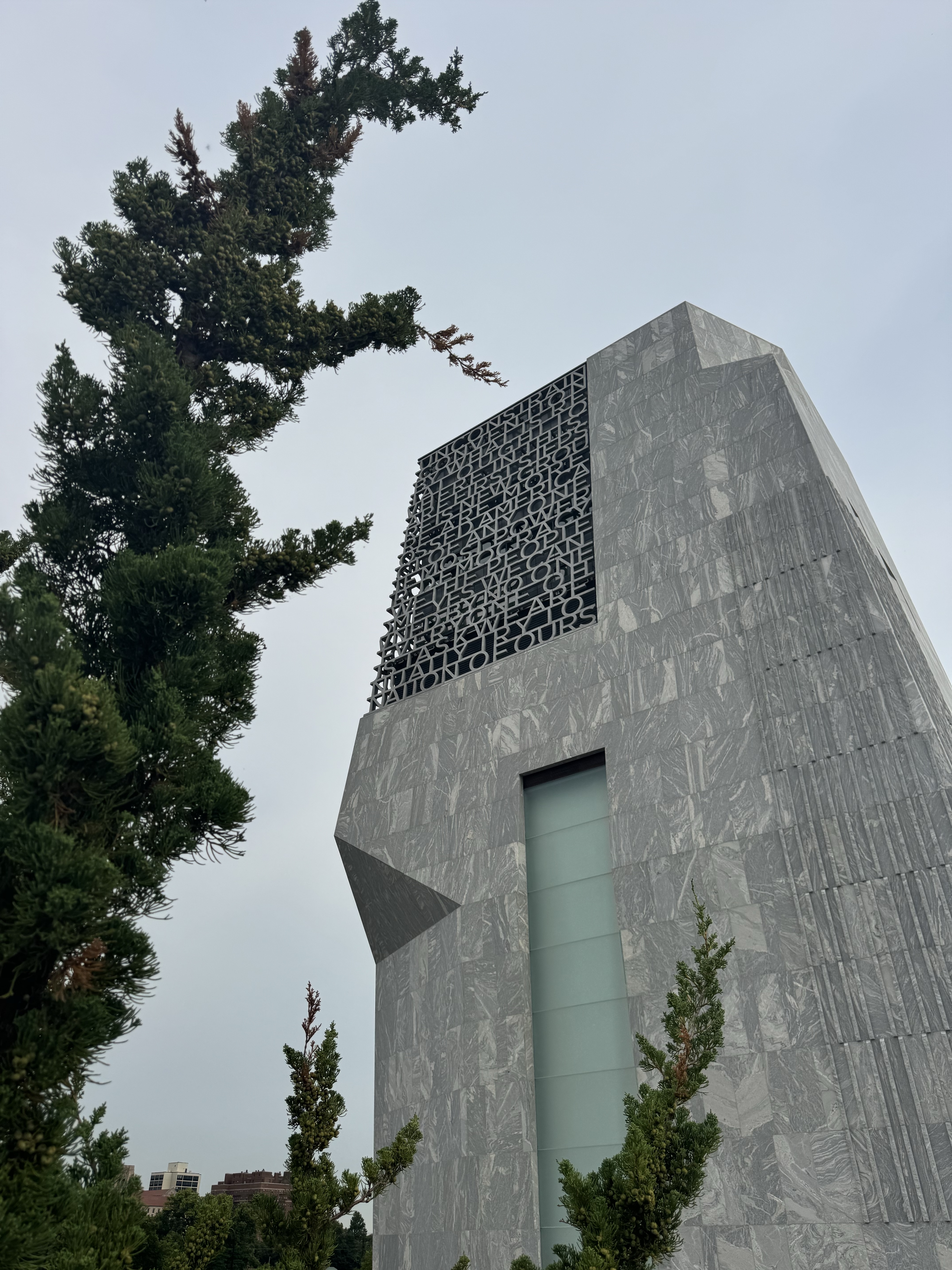
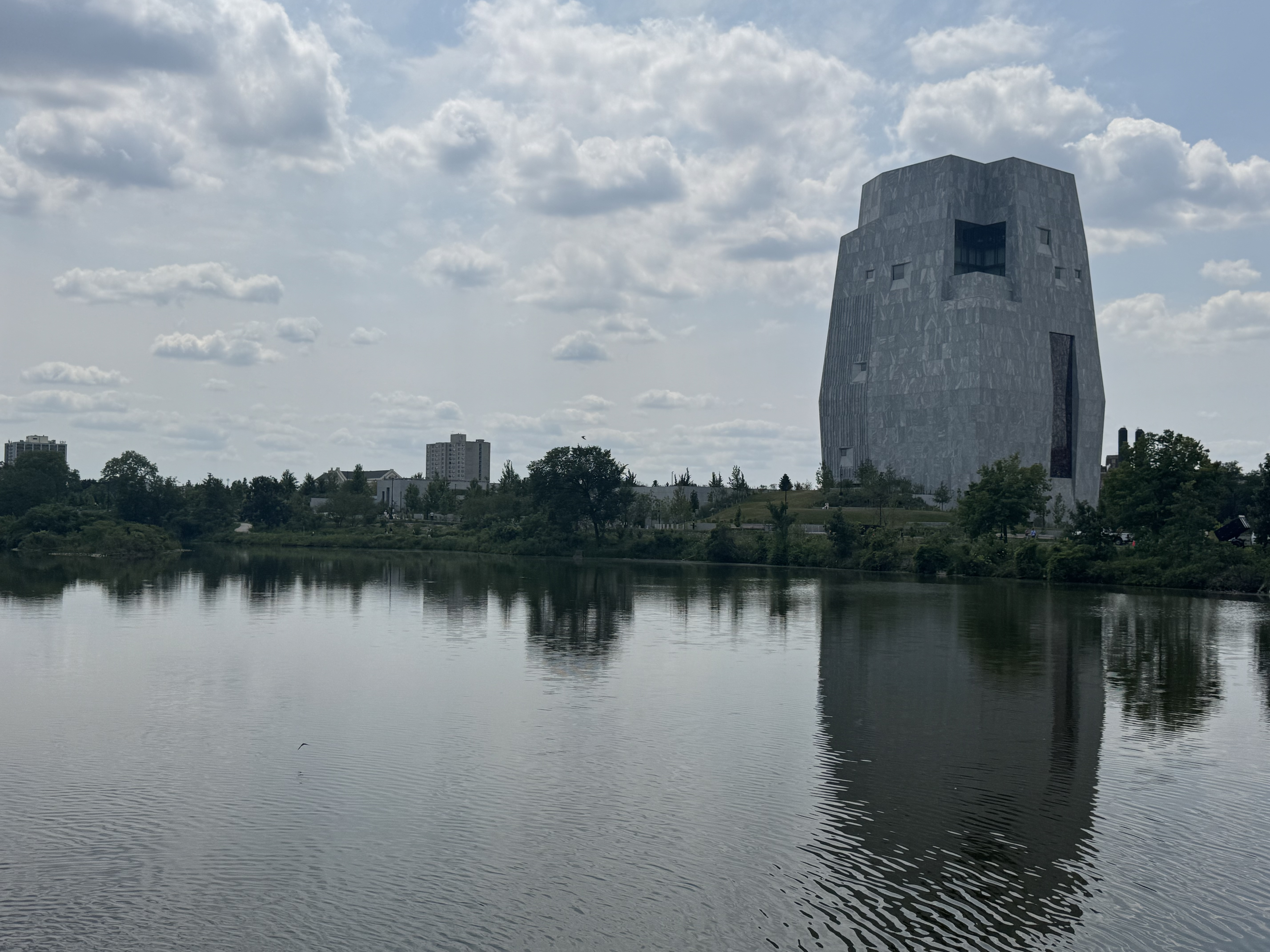
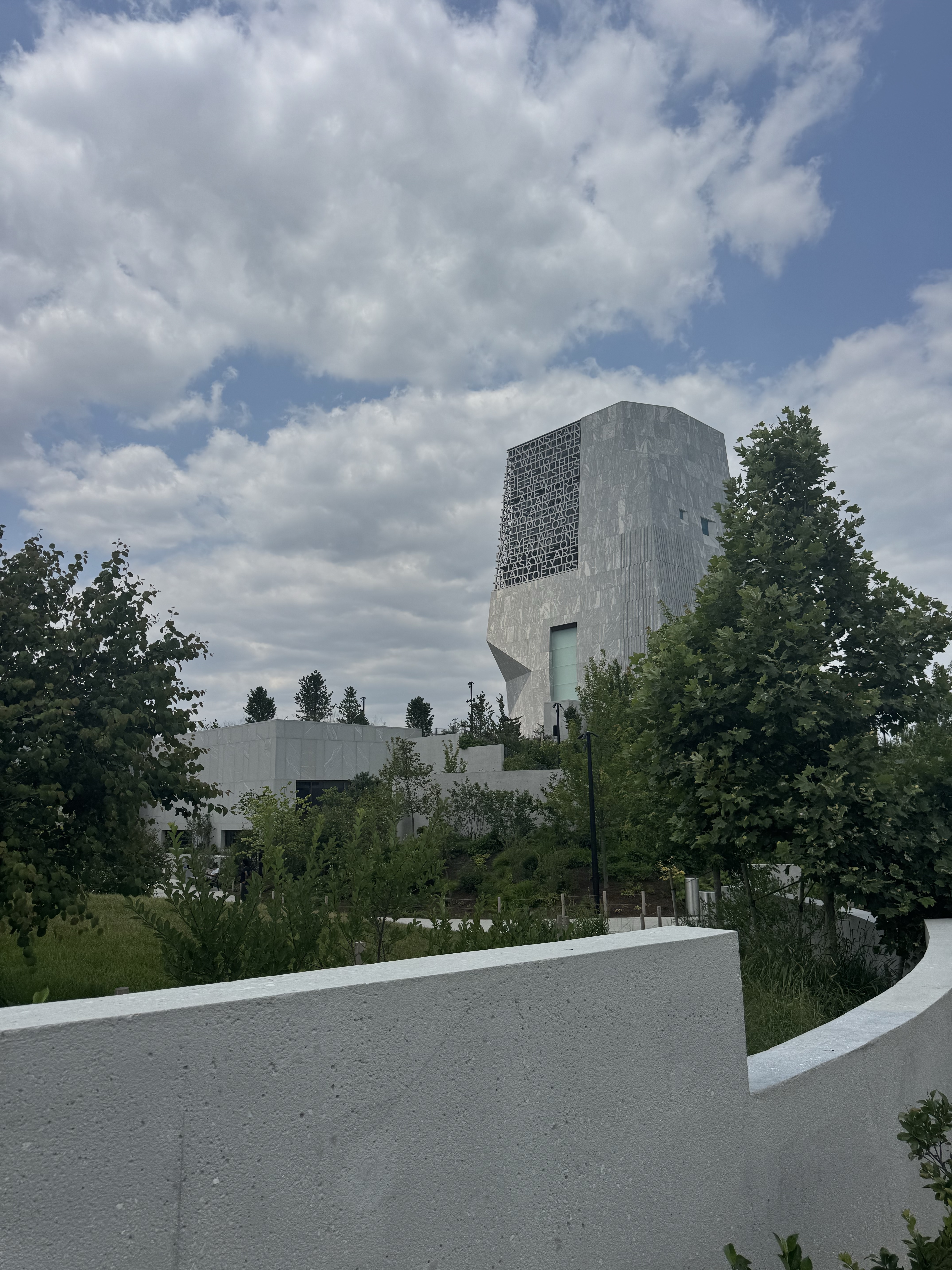
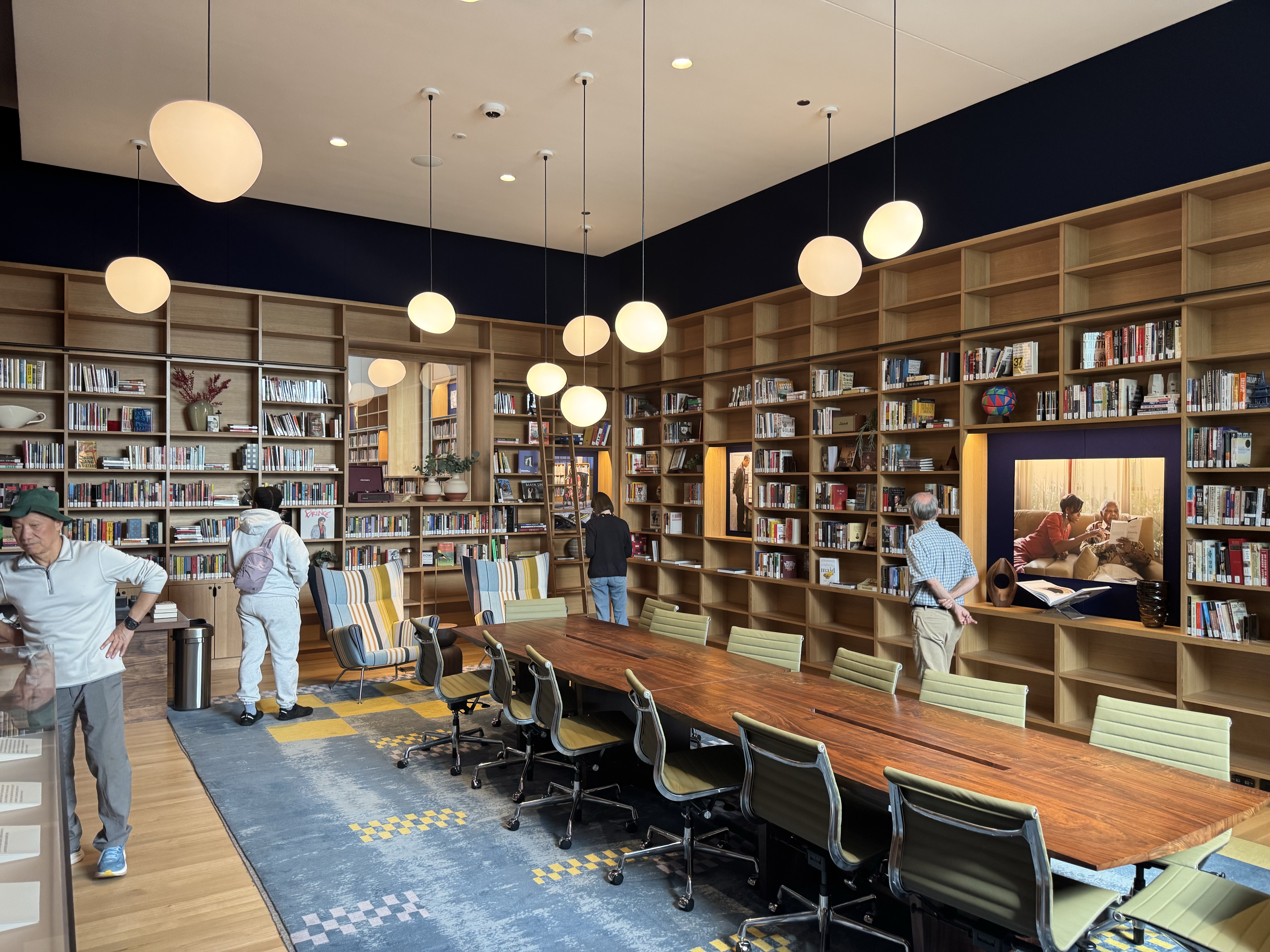
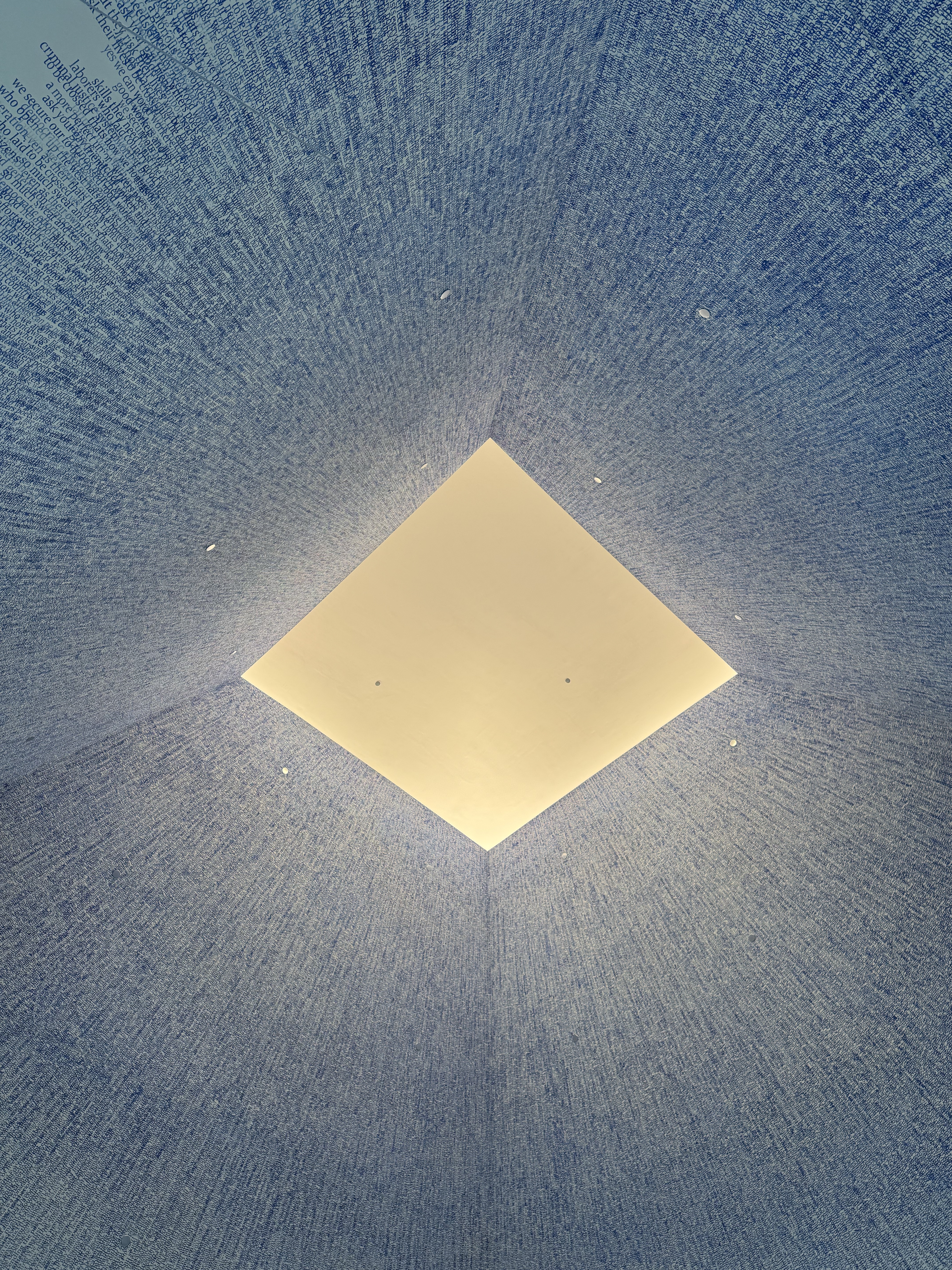
From the outside, the building is beautiful, but it doesn’t fully prepare you for what awaits inside. Somehow the interior feels much larger than the exterior suggests. The spaces are expansive without feeling overwhelming. They invite you to slow down, to linger, and to reflect. There are four exhibit levels, each connected by a one-way escalator, and you are slowly lifted upward until you arrive at the top level, appropriately named the Sky Room.
The journey itself feels intentional. You don’t wander randomly from room to room. Each floor builds upon the one before it, and each escalator quietly carries you a little higher. Whether the architects intended the symbolism or not, I couldn’t help but notice that by the time I reached the Sky Room, I wasn’t simply at the top of a building. I had been gently lifted into a different frame of mind.
As I walked through the galleries, I couldn’t help but think that hope often works the same way. From a distance, it can seem small or fragile. But once you step inside it, you discover there is far more room than you imagined.
As someone who works in higher education, I also found myself paying attention to something many visitors might overlook. The Center has clearly been designed with accessibility in mind. Nearly every exhibit offers multiple ways to experience it. Visitors who are blind, deaf, or have other disabilities are not simply accommodated; they are intentionally included. Braille, captions, alternative media, and thoughtful design are woven throughout the experience.
It communicated something deeper than compliance with accessibility standards. It suggested that this story belongs to everyone and that everyone deserves the opportunity to experience it fully. In a place dedicated to hope, democracy, and community, that felt entirely appropriate.
Another surprise was the people.
Every volunteer I encountered seemed genuinely honored to be there. They weren’t simply answering questions or directing visitors to the next exhibit. They smiled. They welcomed. They encouraged conversations. More than once, I found myself unexpectedly emotional because of their kindness. Their warmth became part of the museum itself.
It reminded me that organizations are never defined solely by their buildings or their mission statements. They are ultimately experienced through people. The volunteers didn’t just support the exhibits; they embodied the values the Center hopes visitors will carry home.
But the moment I suspect I’ll remember for the rest of my life wasn’t a famous photograph or a historic artifact.
It was a box of tissues.
Near the middle of the experience, visitors gather to watch news footage from Election Day and Barack Obama’s election night victory speech from 2008. Quietly sitting at the back of the room was an ordinary box of tissues.
No explanation.
None was needed.
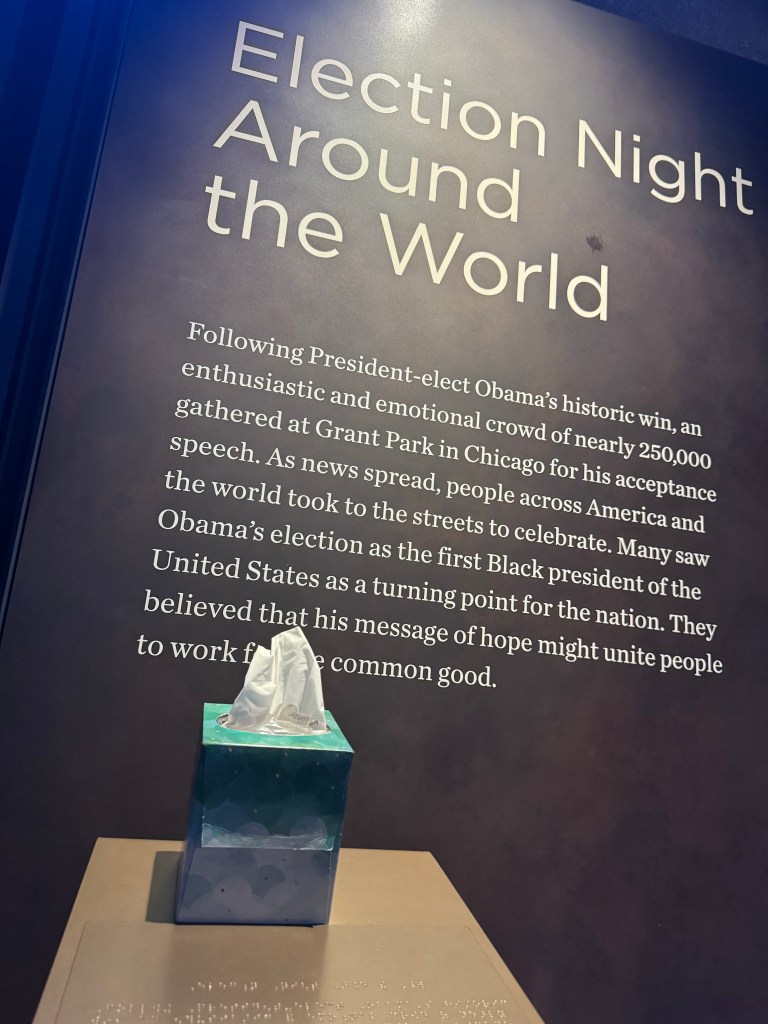
Someone had recognized that people still cry there.
Years after that speech was delivered, visitors continue to find themselves wiping away tears as they remember not only what happened that night, but how it felt. It wasn’t simply nostalgia. It wasn’t even about one president. It was about remembering what hope felt like.
That simple cardboard box may have been the most profound object in the entire museum.
Museums are filled with artifacts carefully preserved behind glass because they tell us something about history. This box of tissues wasn’t protected or displayed. It was there because it tells us something about people.
We still long for leaders who invite us to imagine a better future. We still hunger for voices that call us toward our highest ideals rather than our deepest fears. We still remember what it felt like to believe that tomorrow could be better than today.
As I left the Obama Presidential Center, I realized I hadn’t spent the day thinking only about the past. I had spent it thinking about the future.
I’ve visited several presidential libraries over the years, and while each tells the story of a presidency, this one felt fundamentally different. Certainly, it tells the story of Barack Obama, but it never feels like a monument built to celebrate one individual. Instead, it continually returns to the idea of community. The exhibits ask what ordinary people can accomplish together, how neighborhoods shape lives, and how each of us has a role to play in building something larger than ourselves.
By the time I left, I no longer felt like I had toured a museum dedicated to one president. I felt like I had spent the day inside an invitation.
The Center isn’t simply a place that tells the story of one person or one presidency. It shares a dream of community. It asks every visitor a quieter, more personal question: What kind of future are you helping to build?
I arrived hoping to remember.
I left hoping again.


Leave a Reply